
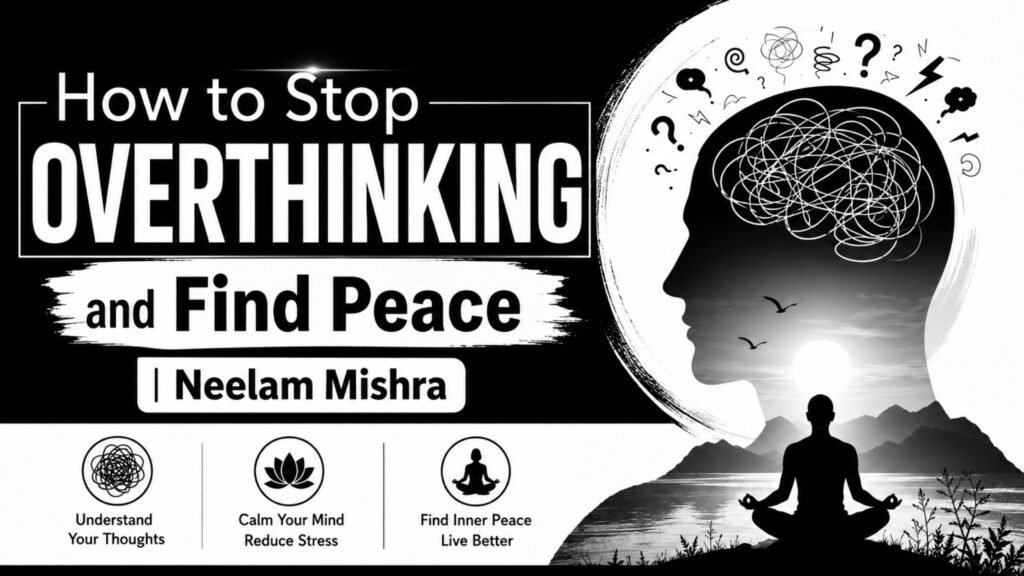

Overthinking can feel like a hamster wheel in your mind—lots of motion, but no real progress. You replay conversations, imagine worst-case scenarios, and question every decision. If you are searching for how to stop overthinking, the first thing to know is that this pattern is common and treatable.
What Is Overthinking?
Overthinking means getting stuck in repetitive thoughts that increase anxiety instead of solving the problem. You may dwell on past mistakes, worry about the future, or read too much into what others say or do.
Common signs include:
- Replaying conversations again and again
- Difficulty making decisions
- Trouble sleeping
- Constant worry about “what if”
- Seeking reassurance from others
Why Does Overthinking Happen?
Your brain is trying to protect you. When you feel uncertain, it searches for answers and possible threats. But instead of helping, excessive thinking can leave you feeling mentally exhausted.
Overthinking is often linked with:
- Anxiety
- Stress
- Perfectionism
- Low self-confidence
- Relationship concerns
How to Stop Overthinking
Learning how to stop overthinking starts with changing how you respond to your thoughts.
Notice the Pattern
Ask yourself, “Am I solving the problem, or just replaying it?”
Focus on Facts
Separate what you know from what you fear.
Set a Worry Time
Give yourself 15 minutes a day to write down concerns, then move on.
Practice Grounding
Notice five things you can see, four you can feel, and three you can hear.
Take One Small Action
A simple step often quiets a noisy mind.
Overthinking at Night
Many people struggle with overthinking at night. The day’s distractions fade, and worries take center stage.
To calm your mind before bed:
- Turn off screens at least 30 minutes before sleep
- Write down your thoughts
- Practice slow breathing
- Listen to calming music or meditation
How to Calm Intrusive Thoughts
Intrusive thoughts are unwanted thoughts that appear suddenly. They can feel unsettling, but they are not a reflection of who you are.
If you are wondering how to calm intrusive thoughts, try this:
- Label the thought.
- Avoid arguing with it.
- Let it pass.
- Redirect your attention.
Thoughts are like passing clouds. You do not have to chase every one.
Overthinking in Relationships
Overthinking in relationships can lead to unnecessary worry. You may analyze texts, assume something is wrong, or fear rejection.
Healthy communication and learning to challenge assumptions can help you feel more secure and connected.
Coping Strategies for Overthinking
These daily habits can make a meaningful difference:
- Deep breathing
- Journaling
- Exercise
- Limiting caffeine
- Mindfulness meditation
- Talking to a trusted friend
These coping strategies for overthinking help train your mind to respond more calmly to uncertainty.
When to Seek Professional Help
If overthinking affects your sleep, work, relationships, or emotional well-being, therapy can help. Cognitive Behavioral Therapy (CBT) is especially effective for breaking repetitive thought patterns and building healthier coping skills.
Expert Support from Neelam Mishra
Neelam Mishra is an RCI-licensed Clinical Rehabilitation Psychologist with over 12 years of experience. She is associated with Sir Ganga Ram Hospital and specializes in anxiety, intrusive thoughts, OCD, stress, and relationship concerns. Her approach combines evidence-based therapies such as CBT and REBT to help individuals find clarity and peace of mind.
Final Thoughts
Overthinking can make even small concerns feel enormous. But with the right tools and support, you can learn to quiet your thoughts and regain emotional balance.
If you are struggling with persistent overthinking or anxiety, consulting Neelam Mishra can help you build practical strategies to feel calmer and more in control.
Struggling with constant overthinking and anxiety?
